.png)


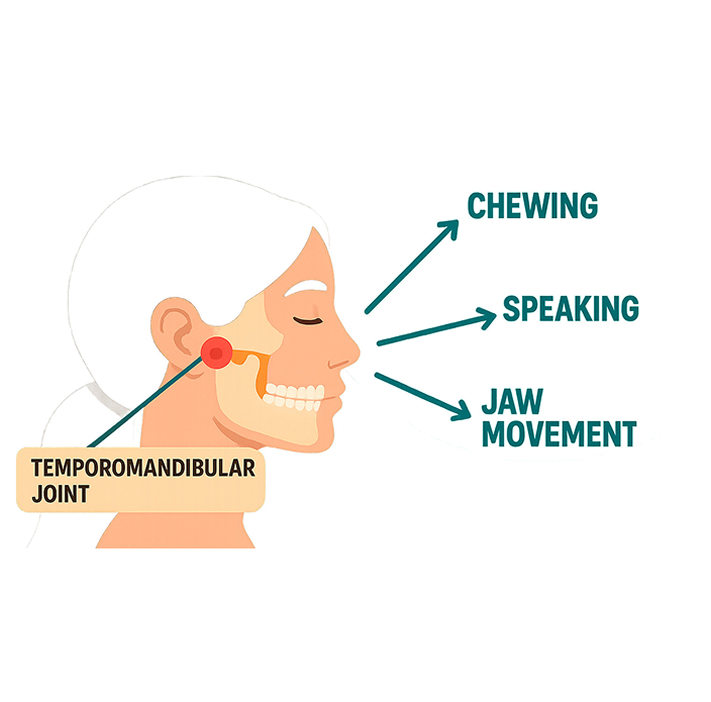
Doctors diagnosed TMJ arthritis and bone loss — but they didn’t explain why my jaw became unstable, inflamed, and unable to support itself in the first place.
Doctors are trained to identify symptoms, assign labels, and move you toward treatment.
They check your vitals.
They listen briefly to your story.
They assign a diagnosis.
They prescribe medication, physical therapy, or refer you to another specialist.
And sometimes, that is necessary.
But what they are not trained to do is listen long enough to understand the deeper story stored in your connective tissue.
You are more complex than your symptoms.
You are a system shaped by years of lived experience — neurological, structural, emotional, and relational.
And that story does not reveal itself in a single appointment.
It reveals itself slowly.
Layer by layer.
Over years.
The Body Does Not Reveal Its Truth All at Once
For three years, I found myself questioning deeper aspects of my own nervous system.
Was I autistic? ADHD? Living with complex PTSD?
My layers did not appear through diagnosis.
They revealed themselves through rupture.
Through observation.
Through pain.
The ending of my marriage was not just emotionally painful — it was systemically destabilizing. It exposed early attachment wounds that had quietly shaped how I moved through relationships, how I abandoned myself, and how my nervous system adapted to survive.
People said, “No divorce is easy.”
But this was not just emotional discomfort.
This was physiological destabilization.
My nervous system entered a prolonged state of threat.
And when a nervous system cannot safely process emotional injury, it adapts.
It suppresses.
It braces.
It protects.
But suppression does not eliminate the experience.
It relocates it.
Into the body.
When Expression Is Not Safe, the Body Speaks Through Structure
At the height of this internal rupture — while I continued caring for my children, teaching yoga, and appearing functional — I developed severe jaw and facial pain.
It felt like a sinus infection.
Pressure. Inflammation. Instability.
Opening my mouth felt unsafe.
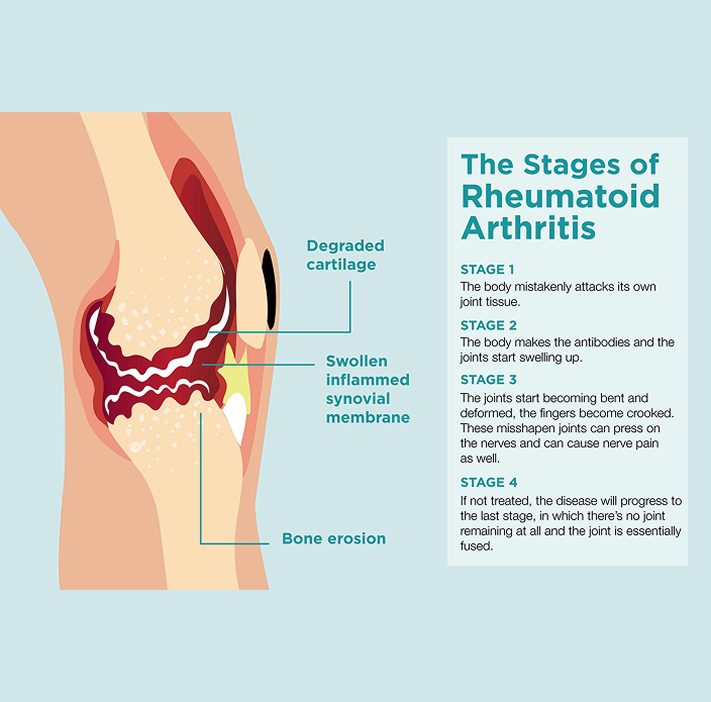
When I sought medical care, I was diagnosed with TMJ disorder, arthritis, and bone loss on the affected side.
The diagnosis explained what was structurally visible.
But it did not explain why it happened.
It did not explain why the pain emerged during one of the most psychologically destabilizing periods of my life.
It did not explain why my nervous system felt inflamed.
Through my own research — the same research many of you are doing right now — I came to understand what I was experiencing as neuroinflammation.
Not as a formal diagnosis.
But as a lived nervous system reality.
A system organized around prolonged threat.
When emotional injury cannot be safely processed, the nervous system reorganizes itself around protection.
The jaw is one of the primary stabilization zones for this protection.
It governs expression.
It governs breathing.
It governs survival reflexes.
When safety is compromised, the jaw braces.
Not as dysfunction.
But as adaptation.
Over time, protective bracing becomes chronic tension.
Chronic tension becomes inflammation.
And inflammation becomes structural change.
This is where traditional medicine reaches its limit.
Because medicine can name the damage.
But it is not trained to decode the adaptive process that created it.
Another Truth Layer: Dentistry Is Not Trained to Decode Systemic TMJ Dysfunction
There is another truth most people discover only after years of searching.
Dentists are not trained to fully diagnose the systemic complexity of TMJ dysfunction.
They are trained to evaluate teeth.
They assess bite alignment.
Joint structure.
Disc position.
Mechanical wear.
And these assessments matter.
But TMJ dysfunction is not purely a dental problem.
It is a nervous system problem.
A connective tissue problem.
A stabilization problem.
The jaw does not operate independently from the rest of your system.
It is directly connected to the tongue, the hyoid bone, the cervical spine, the fascia, and the nervous system’s survival circuitry.
When dentists identify arthritis or bone loss, they are accurately describing the structural outcome.
But they are not trained to decode the adaptive mechanism that created it.
They are naming the damage.
Not the process.
This is why so many patients receive splints, adjustments, and isolated therapies — and still live with pain.
Because the nervous system is still organizing the jaw around protection.
Until the system itself reorganizes, the joint remains vulnerable.
This is not a failure of the practitioner.
It is a limitation of the model.
The Missing Layer: Neuro, Psychological, and Connective Tissue Integration
My recovery did not come from treating the joint in isolation.
It came from retraining the system that was protecting it.
This required addressing three interconnected layers:
Neurological — teaching my nervous system that it was safe to release protective tension
Psychological — processing emotional injury that had remained stored in my system
Mechanical — retraining connective tissue and neuromuscular coordination so stability no longer depended on bracing
Through therapy, conscious movement, and the connective tissue training I developed and now teach, my system reorganized.
The inflammation resolved.
The pain resolved.
The structural deterioration stopped progressing.
Not because the joint was fixed.
But because the system no longer needed to protect itself.
The “Ghost” and What It Taught Me About True Recovery
Occasionally, I feel the faint ghost of the old pattern.
A subtle tightening.
A familiar sensation.
But I no longer respond with fear.
I respond with awareness.
I soften.
I breathe.
I re-establish stability from care rather than urgency.
Not from the energy of fixing.
But from the energy of listening.
This is the work I now teach.
Not forcing the body.
Not overriding symptoms.
But creating the conditions where the nervous system no longer needs to protect itself through pain.
Your Body Is Not Broken. It Has Been Protecting You.
Recovery is possible.
Because your body is adaptive.
It has been stabilizing you in the only way it knew how.
And when it finally receives the right inputs — neurological safety, psychological integration, and connective tissue retraining — it reorganizes.
Pain is not random.
It is communication.
And when you learn to decode it, your system can finally let go.
An energized, pain-free life is possible.
Not by fighting your body.
But by finally understanding it.